

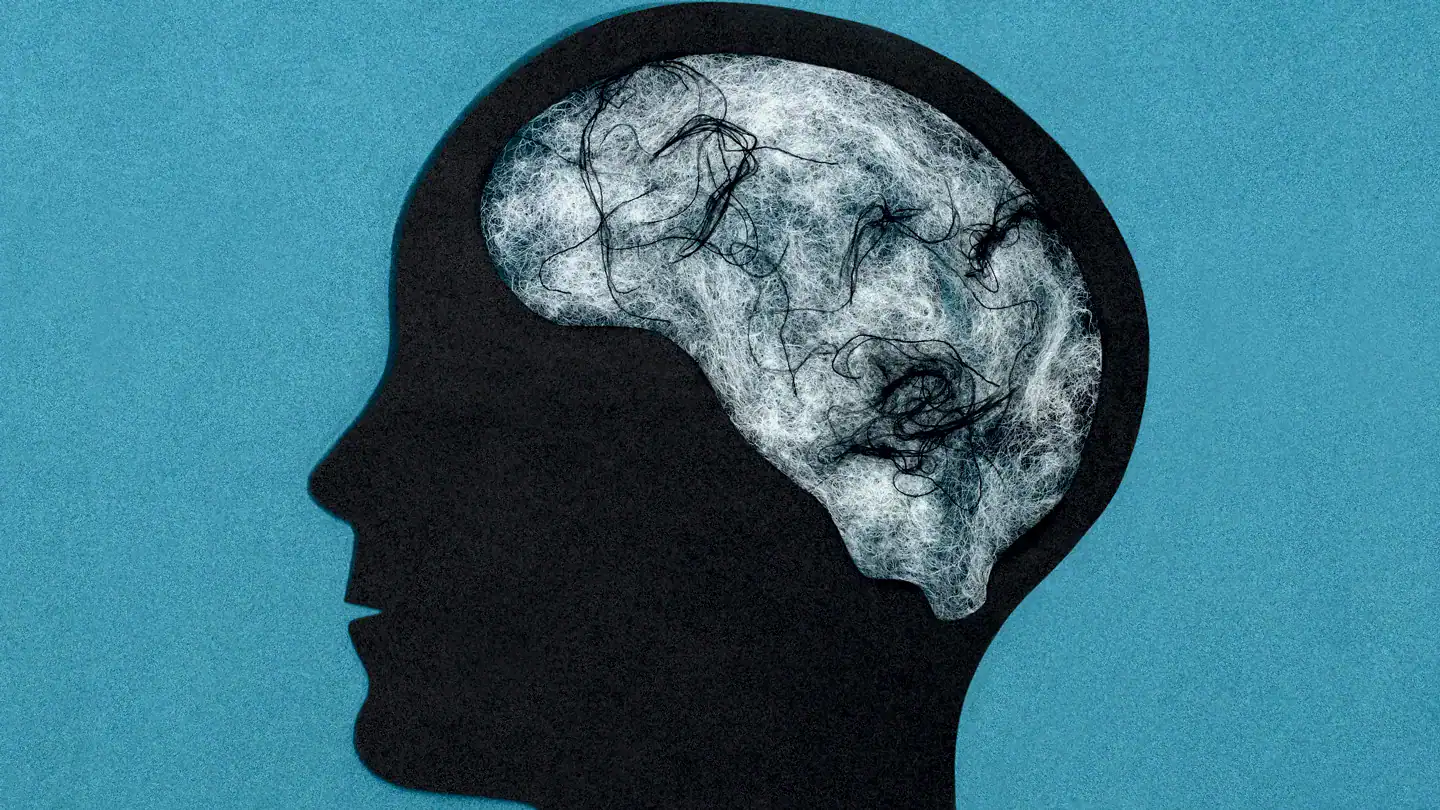
Brain Fog Isn’t Normal — And It Isn’t “Just Aging”
Jenni Berman, PA-C, ABAAHP
Have you ever walked into a room and forgotten why you were there? Struggled to find the right word mid-sentence? Felt mentally slower, less sharp, or easily overwhelmed by tasks that used to feel simple?
Many people describe this experience as brain fog—and while it’s common, it is not normal, and it’s certainly not something you have to accept.
Brain fog isn’t a diagnosis. It’s a signal.
At Berman Health Club, we see brain fog as the brain’s way of telling us that something deeper is out of balance. And the good news? When you identify the why, clarity often follows.
What Does Brain Fog Actually Feel Like?
Brain fog can show up in many ways, including:
- Poor memory or forgetfulness
- Slowed thinking or processing speed
- Word-finding difficulty
- Difficulty concentrating or focusing
- Mental fatigue or feeling “checked out”
- Feeling overwhelmed or emotionally flat
For some people, it’s subtle. For others, it’s disruptive enough to affect work, relationships, and confidence. The real kicker – it progresses without you even realizing it for quite some time.
Why Brain Fog Happens
Contrary to popular belief, brain fog is rarely “all in your head.” In most cases, it’s driven by physiological stressors affecting the brain and nervous system.
Common root contributors include:
- Blood sugar instability and insulin resistance
- Chronic inflammation
- Poor sleep quality or sleep apnea
- Hormonal imbalances (thyroid, cortisol, sex hormones)
- Gut dysfunction and increased intestinal permeability
- Nutrient deficiencies
- Mitochondrial and cellular energy decline (that was a mouthful, I know – keep reading)
When the brain isn’t getting consistent fuel, oxygen, signaling, or repair support, it struggles to function optimally—no matter how motivated or disciplined you are.
Why “Pushing Through” Doesn’t Work
Many people respond to brain fog by drinking more caffeine, multitasking harder, or blaming stress or aging. Unfortunately, this approach often worsens the problem.
NEWS FLASH – IT ISN’T AN AGING PROBLEM!!!
Brain fog is not a willpower issue. It’s a biochemistry issue.
Until the underlying drivers are identified and addressed, symptoms tend to persist—or gradually worsen.
One of the most important things we teach at Berman Health Club is this:
Longevity isn’t just about living longer—it’s about thinking clearly, moving confidently, and feeling like your younger self as you age.
Cognitive clarity is a cornerstone of longevity. When brain fog is present, it often signals that other systems—metabolic, hormonal, inflammatory—are already under strain.
That’s why brain fog is often one of the earliest warning signs, not a late-stage problem.
Join Us on March 7th to Get Answers
If brain fog has been part of your life—or the life of someone you love—we invite you to join us for our Longevity & Wellness Event on March 7th at the Hyatt House Naples.
At this event, we’ll break down:
- Why brain fog happens (and why it’s different for everyone)
- How blood sugar, hormones, gut health, and inflammation affect the brain
- What labs and assessments actually provide meaningful answers
- How a root-cause, longevity-focused approach can restore clarity—not just mask symptoms
This is not a sales pitch. It’s an educational experience designed to empower you with understanding and direction. You will not want to miss our WORLD RENOWNED Key Note speaker!!
The Takeaway
Brain fog is not something you should ignore, normalize, or accept as part of getting older. It’s a message—and when you listen to it, your body often responds.
If you’re ready to understand why your brain feels the way it does—and what to do about it—we’d love to see you on March 7th.
Clarity is possible. And it starts with the right information.
Call RIGHT NOW to reserve your seat as they are limited!! 239-431-0232!
Berman Health and Wellness Website!

Jenni Berman
Latest posts by Jenni Berman (see all)
- Blog 82: Arrive at 80, Feelin’ 40: Flourish in the Second Half of Life - February 18, 2026
- Blog 81: Why You’re Exhausted — And What It Has to Do With Longevity - February 15, 2026
- Blog 80: Brain Fog Isn’t Normal — And It Isn’t “Just Aging” - February 1, 2026